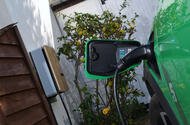
Standard variable tariffs have changed; some suppliers are looking to poach EV drivers, but read the small print
Following this month’s increase in the energy price cap, energy suppliers are competing to attract EV drivers with a range of cheaper tariffs – but behind the headline prices lurk hidden costs and conditions that mean drivers need to do their homework before signing up.
On 1 July, the average standard variable tariff (SVT) charged on a unit of electricity rose by 5.8% – from 24.67p per kWh to 26.11p per kWh. According to Ofgem, around 60% of customers are on a SVT, which means millions are now paying more for their electricity.
In comparison, customers on a one-year fix, where the unit rate is lower and locked in for an agreed term of typically 12 months, are paying around 22p per kWh.
The difference in the two tariffs means that a customer who drives an EV capable of around around 4mpkWh, such as a Skoda Enyaq, and who drives 8000 miles a year, will pay a total of £522 on the current average SVT or £440 – £82 less – on the current cheapest one-year fix.
These figures assume charging takes place exclusively at home (according to the government’s EV Tracker Report, 76% of EV drivers can charge at home) and not at a public fast charger, where the average unit cost is 54p per kWh.
Saving money on EV charging with a fixed tariff is relatively straightforward, but it should be at least 10% less than the SVT, while it pays to check the length of the contact term, which type of customer the deal applies to (new or existing), how much the standing charge is (some are higher than average) and whether an exit fee – typically £50 – is imposed by the supplier.
For those who are wary of being locked into a higher tariff should the cap fall in future, British Gas offers Fix & Fall, a tariff that fixes the energy price for two years but falls after one year if the price cap falls. However, the reduction is capped at £50 and the exit fees for gas and electricity are £75 each.
Meanwhile, increasing numbers of EV drivers are turning to a growing number of so-called EV tariffs that offer even cheaper charging: around 9p per kWh during off-peak times. Although called EV tariffs, generally speaking any appliance can take advantage of them. Most EV tariffs operate between midnight and 5am which, charging at 7.4kW, is sufficient to supply 37kWh of energy.
Charging an Enyaq for one year and 8000 miles on an EV tariff would cost around £180 – significantly less than on the cheapest fixed-rate tariff, let alone the SVT. However, given the shorter charging window, more expensive peak and public charging might at times be necessary.
Some suppliers also offer lower tariffs during the day on Sundays, when demand is lower than weekdays. These include PeakSave Sundays from British Gas, which offers half-price electricity from 11am to 4pm.
Octopus Energy is one supplier that takes advantage of fluctuations in wholesale energy prices throughout the day and night, with its Intelligent Octopus Go tariff of 8p per kWh. It passes on some of the savings to customers who leave their EVs plugged into a compatible charger, such as the Ohme Home Pro, telling it when they want their car charged.
Scottish Power’s EV Optimise is even cheaper, at 6p per kWh when bundled with one of its preferred chargers.
However, standing charges and peak tariffs may be higher so, as with all energy deals, it pays to look beyond the headline charges and to remember to consider gas tariffs, too, which may or may not increase with a change of supplier.