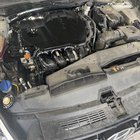
Barn find rescues are big business on Youtube – is it time to have a go at your own classic resurrection?
The YouTube pros make it look so easy. One of my favourite channels is Vice Grip Garage, wherein charming Minnesotan mechanic Derek Bieri ventures into the undergrowth to extract long-forgotten classic cars, remove the rat nests, replace the requisite fuel lines and tyre stems and nurse them several hundred miles back to his ranch – often several decades since they last turned a wheel in anger.
Customarily, he can take a rusted-out, moss-covered hunk of junk from abandoned to animated in the space of a day, using the most basic of tools.
If only it were so easy. As the most casual of mechanics, and with a budget sadly uninflated by generous big-name sponsors, I find such ambitious rescues to be rather more challenging – but no less romantic.
The prospect of discovering a neglected classic – in a lock-up or sinking into the weeds at the back of a farmyard – and coaxing it back to a state of something approaching utility is a heart-warming ideal that is surely the dream of any car lover.
When I was a kid, my local garage had a ratty Volkswagen T25 Transporter that sat for years by the bins around the back and slowly sank into a state of heart-rending destitution.
My best mate and I sauntered down and dangled a few fivers under their nose for the privilege of winching it out and towing it back down the road to his place. We had grand, internet-fuelled ambitions of bashing its forlorn bodywork back into shape, reupholstering its knackered bench seats, replacing the rotten chipboard floor and zhuzhing up the wheezy boxer engine in the space of about a week.
But such is the way with these things, it would be about six months before the cleverly named ‘Blistery Machine’ would make its grand debut in the sixth-form car park.
What the videos never show you is the three-week wait for replacement wheel arch panels, the bitter disputes about which spark plugs to use, or the long period of inactivity that comes with a rainy winter. But eventually, there it was: back from the dead and purring like a kitten (or sounding like a shabby old Impreza).
We had outrageous fun trundling around Kent in that thing for a year or so, doing 12mpg and choking on exhaust fumes. About five years after it moved on, I spotted it parked at the side of a road in London, looking about as good as we’d left it.
It’s a glorious feeling to know you’ve given an otherwise condemned classic another stab at life – to say less of the obvious environmental benefits of recycling an old banger, rather than scrapping it in favour of a new alternative.
I’d later do it again with a tired Peugeot 405 whose previous owner had passed away some years prior and which would otherwise have been turned into coat hangers. It gave me a year of supremely comfortable, 50mpg commuting and even a trip to the south of France before it finally gave in and gave up its usable components to sustain other healthier 405s.
My first car – a classic Beetle – was another such ‘barn find’, having lingered untouched in a Warwickshire shed for 15 years before being lightly recommissioned and pressed into service as a daily driver once again at the ripe old age of 40.
Pleasingly, it popped up on eBay recently with its mileage heavily augmented since we parted ways. Its original raison d’être was to provide dependable, no-frills daily transport, so why should it have ended its days as a grime-covered garage ornament?
Cars are not designed to live forever, of course, but that doesn’t mean they have to die before their time. That ropey old Rover 25 you spotted on a driveway down the road? Go and knock on the door with a few notes in your hand – you could be its last chance at resurrection.